Electrical repair encompasses a wide range of services that are essential for maintaining the functionality and safety of electrical systems. However, many homeowners and businesses are often unaware of the complexity involved in these repairs. From diagnosing issues to implementing solutions, the process requires a high degree of expertise and precision.
This article delves into the intricate world of electrical repair, highlighting the various components and considerations involved.
Understanding Electrical Systems
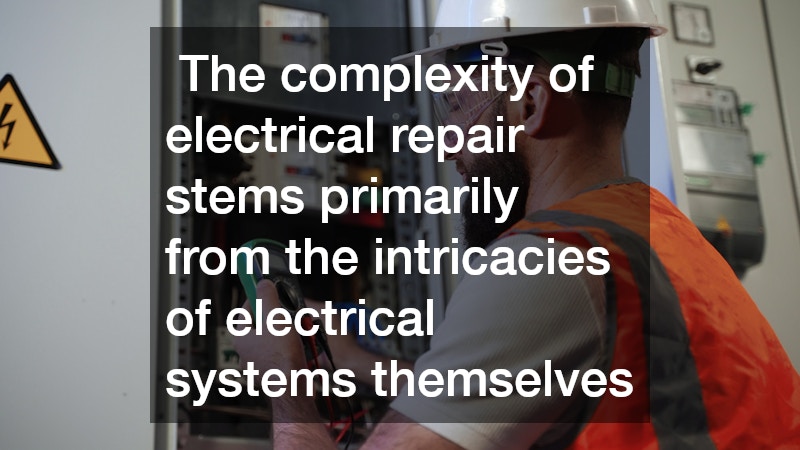
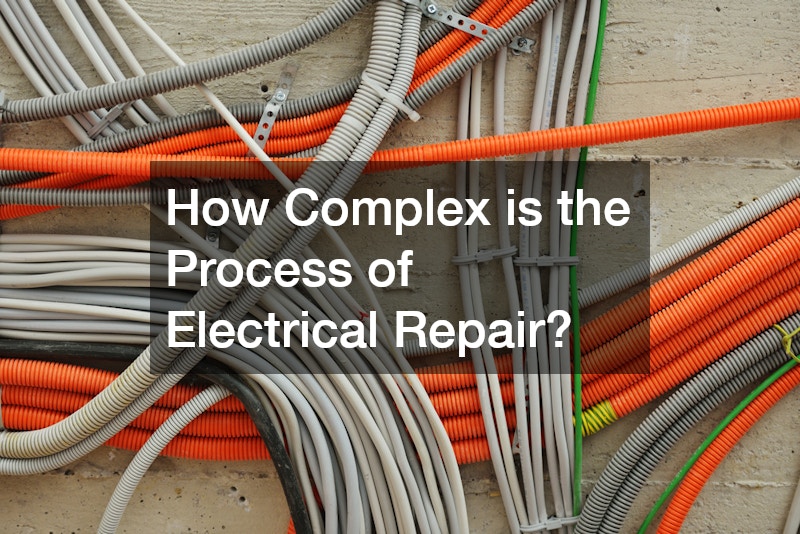
The complexity of electrical repair stems primarily from the intricacies of electrical systems themselves. These systems consist of a network of wires, circuits, and devices that work together to deliver electricity to a home or business. Each component must be perfectly harmonized to ensure efficient operation and prevent potential hazards. Electrical systems also vary greatly in design and specifications, depending on the structure and purpose of the building they serve. As such, a deep understanding of electrical systems is fundamental to any repair effort.
Moreover, electrical systems have become increasingly complex with the advent of advanced technologies and smart home devices. Integrating these technologies requires not only a readiness to deal with traditional wiring and circuit layout but also the ability to incorporate new communication and control systems. This integration can further complicate electrical repairs, as it demands a constant updating of knowledge and skills. The proliferation of these technologies reflects the growing demand for specialists who can address a broad spectrum of electrical problems.
In addition to their complexity, electrical systems are subject to various standards and regulations that must be adhered to during repair work. These codes are designed to maintain safety and reliability, but they also add layers of compliance that technicians must navigate. This legal aspect underscores the necessity of engaging qualified professionals who are well-versed in local and national codes governing electrical work. Adherence to these regulations not only ensures safety but also prevents legal repercussions.
Tools and Techniques
Carrying out a successful electrical repair requires a thorough understanding of the tools and techniques involved. Technicians must be adept at using a variety of specialized tools, from multimeters and oscilloscopes to more advanced diagnostic equipment. Each tool serves a specific purpose, whether it’s for identifying live wires or for measuring electrical current and voltage. Proficiency with these instruments is crucial as it influences both the efficiency and safety of repair work.
Techniques for electrical repair have also evolved, influenced by technological advancements and industry best practices. Traditional techniques still form the backbone of repair processes, though they are often complemented by modern methods that increase accuracy and efficiency. For instance, infrared thermography is now frequently used to detect overheating components that are not yet visible to the naked eye. Such innovations highlight the ever-evolving landscape of electrical repair, necessitating ongoing training for professionals.
Besides tools and techniques, safety is a paramount concern in all electrical repair work. The risk of electrical shock or fire is ever-present, necessitating strict adherence to safety protocols. Technicians must be equipped with protective gear and knowledge about first aid procedures, should accidents occur. Safety training is continually emphasized in the industry to mitigate the risks associated with electrical repair and to ensure the well-being of both technicians and clients alike.
Common Electrical Issues and Solutions
Electrical repair is often predicated on the identification and resolution of common electrical issues. Problems such as faulty wiring, circuit overloading, and defective outlets are routine challenges faced in repair work. Each of these issues requires a tailored approach to diagnose and fix, highlighting the importance of a methodical troubleshooting process. For example, understanding the symptoms, such as frequent tripping of breakers, can indicate deeper underlying problems within the electrical system.
The solutions to these issues often involve a combination of replacement, repair, and upgrading of electrical components. For instance, outdated wiring may need to be replaced with modern materials that offer better conductivity and safety. Similarly, overloading can be alleviated by redistributing loads across circuits more evenly or by upgrading to circuits with higher capacity. It is crucial for electrical repair technicians to discern the most appropriate solution tailored to the specific issue.
Preventative maintenance also plays a significant role in mitigating electrical problems before they necessitate repair. Regular inspections and testing of electrical systems can identify potential issues before they escalate into major problems. This proactive approach not only extends the life of electrical systems but also enhances the safety and reliability of power delivery. Engaging in routine maintenance, homeowners and businesses can avert costly repairs and improve overall energy efficiency.
The Role of Professional Expertise
The complexity of electrical repair highlights the critical role of professional expertise in this field. Choosing a qualified electrician or electrical service company can make a significant difference in the quality and safety of repair work. Professionals bring a wealth of experience and knowledge, ensuring adherence to best practices and regulatory requirements. Their expertise enables them to address a wide array of issues efficiently, from minor repairs to major system overhauls.
Moreover, professional electricians are equipped with the latest tools and diagnostic techniques to accurately identify and resolve electrical issues. They offer insights into advanced solutions such as energy-saving technologies and smart system integrations. With the continuous evolution of electrical systems, the role of the expert becomes more crucial, offering clients peace of mind and a reliable electricity supply. Hiring a professional is not merely a convenience; it is a safeguard against potential hazards and inefficiencies.
Ultimately, engaging professional services for electrical repair is an investment in safety, efficiency, and long-term savings. Professionals can provide valuable advice on maintaining electrical systems and preventing future issues, thus contributing to a safer and more sustainable environment. By leaning on their expertise, clients ensure their electrical systems remain functional and are aligned with advancing technological trends. The essential skill set of these professionals represents the bedrock of effective electrical repair, underscoring the industry’s complex yet indispensable nature.