Roofing technology has evolved significantly over the past few decades as homeowners, builders, and architects look for ways to create more durable and environmentally responsible homes. Sustainability has become a major factor in home improvement decisions, and roofing systems are no exception. The roof plays a critical role in protecting a home from weather, improving energy efficiency, and contributing to the overall structural integrity of a building.
Traditional roofing materials such as asphalt shingles have served homeowners well for many years, but they also come with limitations. They typically require replacement every couple of decades and can contribute to construction waste when removed. As sustainability becomes a higher priority, many homeowners are exploring roofing solutions that offer greater durability, better performance, and a smaller environmental footprint.
One roofing material gaining widespread popularity is metal. Advances in manufacturing, design, and installation techniques have made modern metal roofing systems both practical and visually appealing. With their long lifespan, resistance to severe weather, and energy-efficient properties, these roofing systems are increasingly seen as a smart investment for homeowners who want a roof that will perform well for decades.
Understanding the benefits of modern roofing materials, how they compare to traditional options, and what homeowners should consider before starting a roofing project can help ensure a successful upgrade that protects both the home and the environment.
Why Durable Roofing Materials Are Becoming a Priority for Homeowners
Homeowners are increasingly focused on long-term value when undergoing roofing replacements. Rather than choosing materials that simply provide the lowest upfront cost, many are considering durability, longevity, and sustainability. Roofing systems that last longer reduce waste and minimize the need for frequent replacements.
This shift in priorities is one reason metal roofs are becoming more popular. Unlike traditional asphalt shingles that may need replacement every 15 to 25 years, metal roofing systems can often last 40 to 70 years with proper maintenance.
Longer-lasting materials offer several important benefits:
- Reduced construction waste over time
- Lower long-term maintenance costs
- Fewer disruptions from major renovation projects
- Greater protection against extreme weather conditions
Another important factor is the frequency of roof replacements. Asphalt shingles are commonly removed and replaced multiple times during the lifespan of a home, which means old roofing materials often end up in landfills.
By choosing materials that last longer, homeowners reduce the environmental impact associated with manufacturing, transporting, and disposing of roofing products. Durable roofing solutions also provide greater peace of mind because they can withstand harsh weather conditions such as heavy rain, wind, and snow.
In many cases, homeowners who initially choose durable roofing materials discover that the long-term savings outweigh the higher upfront installation cost. A roofing system that lasts twice as long as traditional materials can significantly reduce total lifetime expenses.
How Energy Efficiency Starts at the Top of Your Home
A roof plays a major role in regulating the temperature inside a home. During hot weather, traditional roofing materials often absorb large amounts of heat from the sun, which can increase indoor temperatures and place additional strain on air conditioning systems.
Modern metal roofs are designed with reflective coatings that help reduce heat absorption. By reflecting sunlight rather than trapping it, these roofing systems can keep attic spaces cooler and reduce energy consumption during warm months.
Energy-efficient roofing can offer several advantages:
- Lower cooling costs during summer
- Improved indoor comfort
- Reduced strain on HVAC systems
- Lower overall household energy usage
Another factor that contributes to energy efficiency is proper roof installation. An experienced metal roofer understands how ventilation systems, insulation, and roofing materials work together to regulate indoor temperatures.
Ventilation systems installed beneath the roofing surface allow heat to escape from attic spaces, preventing temperature buildup that can damage roofing materials and increase cooling costs.
Homeowners can further improve energy performance by:
- Installing reflective roof coatings
- Improving attic insulation
- Ensuring adequate ventilation beneath roofing materials
- Working with professionals experienced in energy-efficient roofing systems
By combining durable materials with proper installation techniques, homeowners can create roofing systems that contribute significantly to the overall energy performance of the home.
Understanding the Structural Components That Support Modern Roofing
The visible roofing surface is only one part of a much larger system. Beneath the outer layer of roofing materials lies a structural foundation that supports the entire roof. This structure plays a critical role in ensuring the stability, durability, and safety of the roof.
One important component is the roof decking. This structural layer forms the base that supports roofing materials and distributes weight across the roof’s framework.
In some projects, builders use local metal roof decking to provide additional strength and durability. Metal decking can offer several advantages compared to traditional wood materials, including improved resistance to moisture and structural stress.
Benefits of modern decking materials include:
- Enhanced structural support for heavy roofing systems
- Resistance to moisture damage and rot
- Improved fire resistance
- Longer lifespan compared to some traditional materials
Before installing a new roofing system, experienced roofing contractors evaluate the condition of the roof deck and supporting structures. If the decking has been weakened by water damage or age, it may need to be repaired or replaced before the new roofing materials can be installed.
A professional evaluation helps ensure the roof structure can safely support the weight of the new roofing system while providing long-term durability and protection.
Warning Signs That Your Current Roof May Be Reaching the End of Its Life
Recognizing early warning signs of roofing problems can help homeowners address issues before they become severe. Many roofing problems start as minor issues but gradually worsen over time if they are not addressed.
One of the most common indicators that a roof may require attention is visible damage to roofing materials.
Exterior signs may include:
- Curling or cracked shingles
- Missing or loose roofing materials
- Discoloration or dark streaks
- Accumulation of shingle granules in gutters
Interior signs may also indicate roofing problems. Water intrusion often appears inside the home before the exterior damage becomes obvious.
Interior warning signs include:
- Water stains on ceilings
- Peeling paint or bubbling drywall
- Damp attic insulation
- Mold or mildew odors near the roofline
In many cases, early intervention through roof repair can prevent more extensive damage. Minor leaks or isolated damage may be repaired quickly if detected early.
A local roof repair service can inspect the roof and determine whether repairs will resolve the issue or if more extensive work may be needed. Addressing small problems promptly often prevents costly structural damage and extends the life of the roofing system.
When Repairing a Roof Is No Longer the Best Option
While repairs can resolve many roofing problems, there are situations where repairing the roof repeatedly is no longer the most practical solution. As roofing materials age, they may begin to deteriorate across large areas rather than in isolated spots.
Several factors influence whether a homeowner should consider a roof replacement rather than continued repairs.
Important considerations include:
- Age of the roof
- Extent of visible damage
- Frequency of past repairs
- Structural condition of the roof deck
If a roof has already undergone multiple repair projects, continuing to repair isolated areas may only provide temporary relief. Over time, repair costs can add up and approach the cost of installing an entirely new roofing system.
A full roof replacement offers several advantages in these cases:
- Installation of modern materials designed for durability
- Improved energy efficiency
- Manufacturer warranties on new roofing products
- Reduced risk of recurring leaks or damage
Homeowners who plan to stay in their homes long-term often find that replacing an aging roof provides greater value and peace of mind than repeatedly repairing deteriorating materials.
What to Expect When Planning a Major Roofing Project
Planning a major roofing project involves several important steps. Before any work begins, homeowners typically schedule an inspection with experienced roofing contractors who can evaluate the roof’s current condition.
During the inspection, professionals assess several factors:
- Structural integrity of the roof deck
- Condition of existing roofing materials
- Signs of water damage or moisture intrusion
- Ventilation and insulation performance
After the inspection, homeowners receive a detailed roof estimate outlining the scope of work and expected costs. This estimate typically includes labor, materials, and any structural repairs required before installation.
Several factors influence the cost of a roofing project, including:
- Size and slope of the roof
- Type of roofing materials used
- Labor requirements
- Accessibility of the roof structure
- Additional repairs needed during installation
Receiving a clear and detailed estimate allows homeowners to compare options and make informed decisions about their roofing investment.
Why Metal Roofing Is Becoming the Preferred Sustainable Option
Sustainability has become an important factor in construction decisions, and roofing materials are no exception. Modern roofing systems are designed to reduce environmental impact while offering superior performance.
One major reason homeowners choose metal roofing is its exceptional lifespan. Compared to many traditional materials, these systems can last several decades with minimal maintenance.
Durability is another advantage. Metal roofing systems are highly resistant to:
- Strong winds
- Heavy rain and snow
- Hail damage
- Fire hazards
An experienced metal roofer ensures the roofing system is installed properly so it can achieve its full lifespan and performance potential.
Another benefit is the compatibility of metal roofing with modern home improvement projects. Many homeowners install these systems during a roof replacement to upgrade the durability and sustainability of their homes.
Some metal roofing products are also manufactured using recycled materials and can be recycled again at the end of their lifespan, reducing environmental waste.
How to Choose the Right Roofing Professional for Your Project
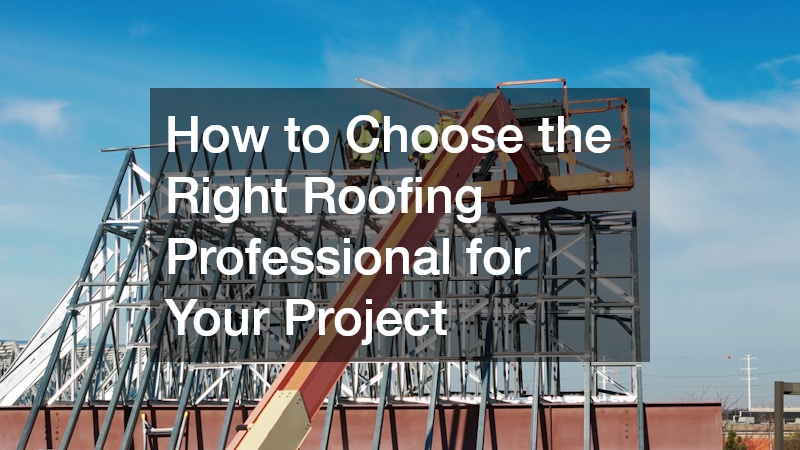
Selecting the right professional to handle a roofing project is one of the most important decisions homeowners make during the renovation process. The quality of the installation can significantly impact the performance and lifespan of the roof.
An experienced roofer understands how different roofing systems function and how to install them properly to ensure long-term durability.
When evaluating contractors, homeowners should look for several important qualifications:
- Proper licensing and insurance
- Experience with the specific roofing materials being installed
- Positive customer reviews and references
- Clear communication and detailed project plans
In addition to installation services, many contractors also provide inspection and maintenance support. Working with a local roof repair service can be especially beneficial when ongoing maintenance or emergency repairs are needed.
Local professionals often respond more quickly after storms or severe weather events, helping homeowners address problems before they become more serious.
Modern roofing technology is evolving rapidly as homeowners seek materials that provide better performance, longer lifespans, and improved sustainability. This shift towards innovative materials and techniques is driven by the desire to enhance the overall functionality of homes. Roofing systems designed with durability and efficiency in mind can protect homes more effectively by withstanding various environmental factors, such as harsh weather conditions, temperature fluctuations, and physical wear and tear. Moreover, these advanced systems offer the added benefit of reducing long-term maintenance costs, as they often require less frequent repairs and replacements, thus ensuring peace of mind for homeowners for many years to come.
As environmental awareness continues to grow, homeowners are increasingly exploring options that balance strength, energy efficiency, and responsible material use. This trend is indicative of a broader movement towards sustainable living, where individuals place a high value on eco-friendly choices that do not compromise on reliability and visual appeal. By understanding how different roofing systems work, homeowners can select options that enhance the structural integrity of their homes while minimizing environmental impact. Furthermore, working with experienced professionals in the roofing industry allows homeowners to make informed decisions that support both the durability of their homes and the sustainability of their construction choices, ensuring that their investments are both environmentally conscious and financially sound.
Investing in high-quality roofing materials and professional installation ensures that the roof will continue protecting the home for decades. This longevity translates into a more efficient and resilient living environment, as an expertly installed roof contributes significantly to the overall energy efficiency of the home. It can help regulate indoor temperatures, thereby reducing heating and cooling costs. A well-chosen roofing system not only guards against leaks and structural damage but also enhances the aesthetic appeal of the property, potentially increasing its market value. By making such a thoughtful investment, homeowners actively contribute to a sustainable future, where quality construction practices lead to a more durable, economical, and environmentally friendly lifestyle.
